Fire & smoke
Fire and Smoke Damage Restoration Cost
Updated · Copperline editorial · 2 min read
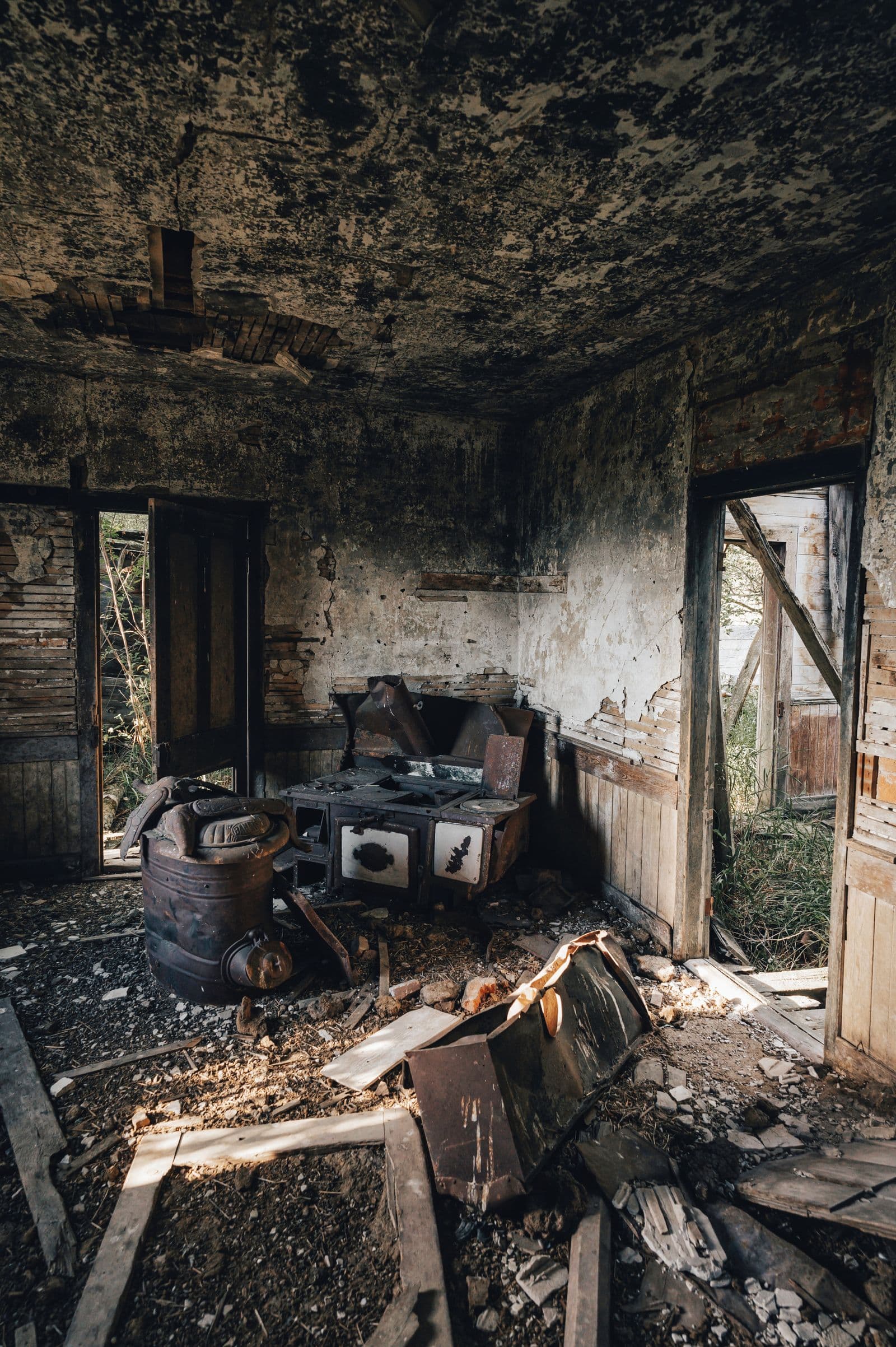
Short answerFire restoration cost depends on how far soot and odor spread, the type of smoke residue, water damage from firefighting, how much content needs cleaning or pack-out, and how much of the structure must be rebuilt. A small kitchen fire with contained smoke costs far less than a fire that affected the whole house or attic.
The main stages
A fire job usually includes some or all of these:
- Emergency board-up and roof tarping
- Water extraction and drying from firefighting
- Soot and smoke cleaning of surfaces
- Odor removal: thermal fogging, hydroxyl or ozone treatment, sealing
- Contents pack-out, cleaning and storage
- Rebuild of burned areas
What moves the price
The biggest differences between jobs:
- Smoke type: protein residue from cooking fires smells strong but leaves little visible soot; synthetic fires leave heavy black soot
- How far smoke travelled through HVAC ducts and the attic
- Porous materials such as insulation, carpet and drywall that may need removal
- Contents volume and delicate items
- Code upgrades in the rebuild
Working with insurance
Most homeowners policies cover fire and smoke damage, including cleaning, contents and additional living expenses. Keep receipts, document every room, and ask for a written scope before cleaning starts.
Call a professional if
- Soot on walls, ceilings or vents
- Persistent smoke odor
- Discolored or pitted surfaces near the fire
- Water damage from firefighting
Fire and Smoke Damage Restoration Cost: follow-up questions
Can smoke odor be fully removed?
Usually yes, with cleaning, deodorization and sealing of affected surfaces. Porous materials that hold odor may need replacement.
Should I clean soot myself?
Avoid it. Wiping soot can smear it into surfaces. Leave cleaning to a restoration company after documenting the damage.
Every home differs; editorial standards.