Water damage
Water damage restoration in Tucson
Water damage restoration is the process of stopping the water, extracting it, drying the structure to a measured dry standard, and repairing what couldn't be saved. The first 24–48 hours matter most: materials that stay wet longer than that often have to be removed, and mold can start growing.
First: Shut off the water or power to the affected area if it's safe, then photograph everything before cleanup starts.
- Typical time
- Extraction takes hours; drying usually 3–5 days; repairs 1–3 weeks depending on scope.
- Repair or replace
- Clean-water damage caught early can often be dried in place; contaminated or long-soaked materials are replaced.
Do this first
Shut off the water or power to the affected area if it's safe, then photograph everything before cleanup starts.
Call right away if: standing water inside the house; water coming through a ceiling; a slab leak with warm, wet floors.
Most Tucson water damage starts inside the house — a supply line under a sink, a water heater, a washing machine hose, or a pipe in the slab. The rest comes from outside during monsoon season, when a flat roof, a parapet wall or a clogged scupper sends water into ceilings and stucco.
Either way, the work follows the same order: stop the source, remove standing water, open up what's trapping moisture, dry it with air movers and dehumidifiers, and confirm it's dry with a moisture meter before anything is rebuilt. Copperline connects you with an independent Tucson restoration company that does that work and can document it for your insurance claim.
Water Damage Restoration at a glance
- What it is
- Water damage restoration is the process of stopping the water, extracting it, drying the structure to a measured dry standard, and repairing what couldn't be saved.
- Service category
- Water damage
Signs you need water damage help
- Standing water on floors or soaked carpet
- Water stains, bubbling paint or sagging drywall on ceilings
- Warped or cupping wood and laminate floors
- A musty smell that wasn't there before
- Baseboards swelling or separating from the wall
- A water bill that jumped with no change in use
Pick what's happening
Burst pipe or supply line
Do now
- Close the main water shutoff.
- Turn off breakers for rooms where water is near outlets, fixtures or appliances.
- Photograph the source and every wet room before moving anything.
Avoid
- Don't walk through standing water in a room with live power.
- Don't use a household vacuum on water.
Call: As soon as the water is stopped: the first 24–48 hours decide how much can be dried in place.
Full step-by-step guideWater coming through a ceiling
Do now
- Turn off power to light fixtures and fans in that ceiling.
- Put a bucket under the wettest point; a small hole there relieves a bulge in a controlled spot.
- Move furniture and electronics out of the room.
Avoid
- Don't stand under a sagging ceiling.
- Don't switch on wet light fixtures to check them.
Call: When the ceiling bulges, sags or keeps dripping after the source is off.
Full step-by-step guideSewage or floodwater inside
Do now
- Stop using water anywhere in the house.
- Keep children, pets and anyone with a weak immune system away.
- Wear gloves and boots if you have to walk through it.
Avoid
- Don't try to dry sewage-soaked carpet or drywall; porous materials are removed.
- Don't use fans that spread contaminated air before cleanup.
Call: Right away: sewage and outside floodwater are treated as contaminated.
Full step-by-step guideMonsoon storm leak
Do now
- Catch the water and move belongings out of the way.
- Turn off power to wet fixtures.
- Photograph the ceiling and, when it's safe, any visible roof damage.
Avoid
- Don't go on the roof during the storm or while it's wet.
Call: Once water has reached insulation or drywall; tarping and drying keep a leak from becoming a larger claim.
Full step-by-step guideWater heater leaking
Do now
- Turn off the breaker (electric) or set the gas valve to off.
- Close the cold-water valve on the pipe entering the tank.
- Move stored items away from the tank.
Avoid
- Don't touch the relief valve or drain while the water is hot.
- If you smell gas, leave and call the gas utility first.
Call: When water has spread past the pan into drywall, cabinets or flooring.
Full step-by-step guideQuick answers
Water Damage Restoration: the short version
How long water damage restoration takes
Extraction takes hours; drying usually 3–5 days; repairs 1–3 weeks depending on scope.
When water damage can wait, and when it can't
Call the same day. Mold can begin in 24–48 hours on wet materials.
Fix or replace water damage?
Clean-water damage caught early can often be dried in place; contaminated or long-soaked materials are replaced.
The visit
How water damage restoration is done
- 1
Stop the source
Shut off the main water valve or the failed fixture. A plumber repairs the leak; the restoration company handles the water it left behind.
- 2
Inspect and document
Moisture meters and thermal cameras map how far the water traveled. Photos and readings are recorded for your insurer.
- 3
Extract and remove
Standing water is pumped and extracted. Wet carpet pad, saturated drywall and swollen baseboards are removed so the structure can dry.
- 4
Dry and dehumidify
Air movers and dehumidifiers run for several days, with daily moisture readings until materials reach a dry standard.
- 5
Clean and repair
Affected areas are cleaned and treated, then drywall, flooring and paint are replaced — by the restoration company or a contractor you choose.
What moves the price of water damage restoration
- How much area is wet and how long it stayed wet
- Water category: clean supply water vs. gray water vs. sewage
- Materials affected — carpet, hardwood, tile, drywall, cabinets
- How many days of drying equipment are needed
- Whether walls, ceilings or flooring must be removed and rebuilt
- Whether the work is billed to a homeowners insurance claim
Before you call
Safe first steps: water damage
Safe to do yourself
- •Shut off the main water valve and, if water is near outlets, the power to that area
- •Photograph everything before moving or throwing anything away
- •Move furniture and valuables off wet floors; put foil under furniture legs
- •Mop up clean water and open interior doors for airflow
Stop and get professional help if
- •Water came from a toilet, sewer line or floodwater — treat it as contaminated
- •Water got into walls, ceilings or under flooring
- •Materials have been wet for more than 24 hours
- •You smell mustiness or see spots — mold may already be starting
Check coverage near you
Use your location or ZIP code to see whether water damage restoration is covered where you are, and the nearest service area.
Location is only used to find the service area nearest you. It stays on your device and isn't stored.
Water Damage Restoration: common questions
How quickly should water damage be addressed?
Start within hours, not days. Drywall, carpet pad and wood begin to break down within 24–48 hours, and mold can start growing in that window — especially in walls where moisture can't escape.
Does homeowners insurance cover water damage?
Most policies cover sudden and accidental water damage, like a burst pipe or failed water heater, but not gradual leaks or wear. Flooding from outside water usually needs separate flood insurance. Your policy and adjuster decide coverage.
How long does it take to dry out a house after water damage?
Structural drying typically takes three to five days once equipment is running, depending on how much water there was, the materials involved and how quickly extraction started. Rebuild work comes after the structure is confirmed dry.
Can I dry water damage myself with fans?
You can dry small spills of clean water on hard surfaces. Water that soaks into drywall, insulation, subfloor or carpet pad needs extraction, dehumidifiers and moisture readings — fans alone often dry the surface while moisture stays trapped inside.
Is Arizona's dry air enough to dry water damage?
No. Low humidity helps surfaces dry quickly, but water trapped behind drywall, under tile or inside a slab doesn't reach the air. Walls can look dry in Tucson while the framing behind them stays wet.
What does Copperline do?
Copperline Restoration connects you with an independent, locally operating restoration company that serves your ZIP code. The service is free to you; the restoration company you hire quotes and performs the work.
Service area
Water Damage Restoration in Tucson & Pinal County
- Tucson
- Water Damage Restoration in Catalina Foothills
- Water Damage Restoration in Oro Valley
- Water Damage Restoration in Marana
- Water Damage Restoration in Casas Adobes
- Water Damage Restoration in Sahuarita
- Water Damage Restoration in Green Valley
- Water Damage Restoration in Vail
- Water Damage Restoration in San Tan Valley
- Water Damage Restoration in Maricopa
- Water Damage Restoration in Casa Grande
- Water Damage Restoration in Apache Junction
- Water Damage Restoration in Gold Canyon
- Water Damage Restoration in Florence
- Water Damage Restoration in Coolidge
- Water Damage Restoration in Eloy
- Water Damage Restoration in Arizona City
- Water Damage Restoration in Oracle & San Manuel
- Water Damage Restoration in Tanque Verde
- Water Damage Restoration in Corona de Tucson
- Water Damage Restoration in Picture Rocks
- Water Damage Restoration in Superior
- Water Damage Restoration in San Manuel
- Water Damage Restoration in Kearny
- Water Damage Restoration in Mesa
- Water Damage Restoration in Gilbert
- Water Damage Restoration in Chandler
- Water Damage Restoration in Scottsdale
- Water Damage Restoration in Glendale
- Water Damage Restoration in Boise
- Water Damage Restoration in Meridian
- Water Damage Restoration in Nampa
Related
Services often paired with water damage restoration
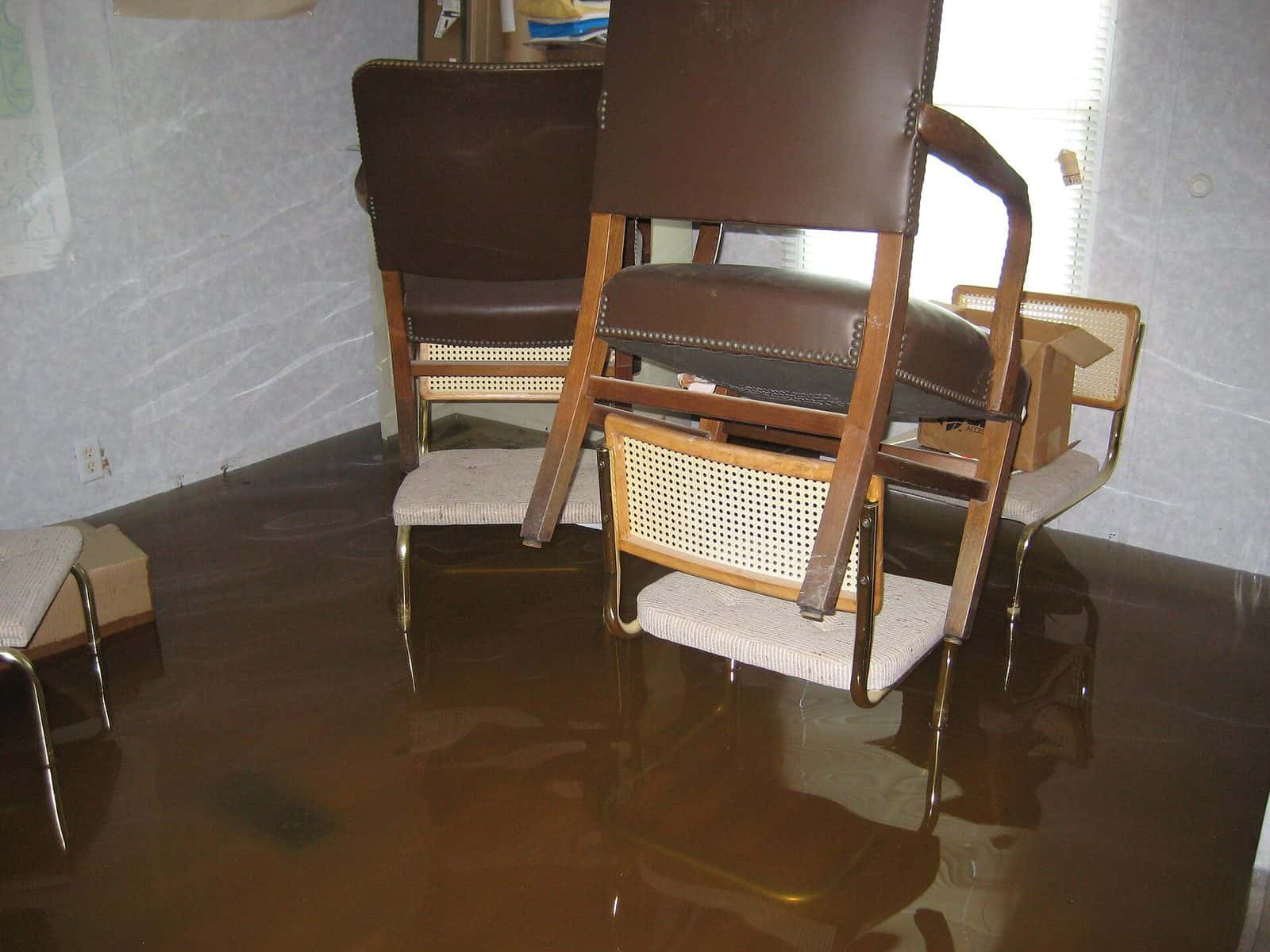
Commercial Water Damage Restoration
Commercial water damage restoration covers extraction, drying and repairs for offices, retail spaces, restaurants, medical suites and multifamily buildings, planned around keeping the business operating and documenting the loss for the insurer and property owner..
Learn more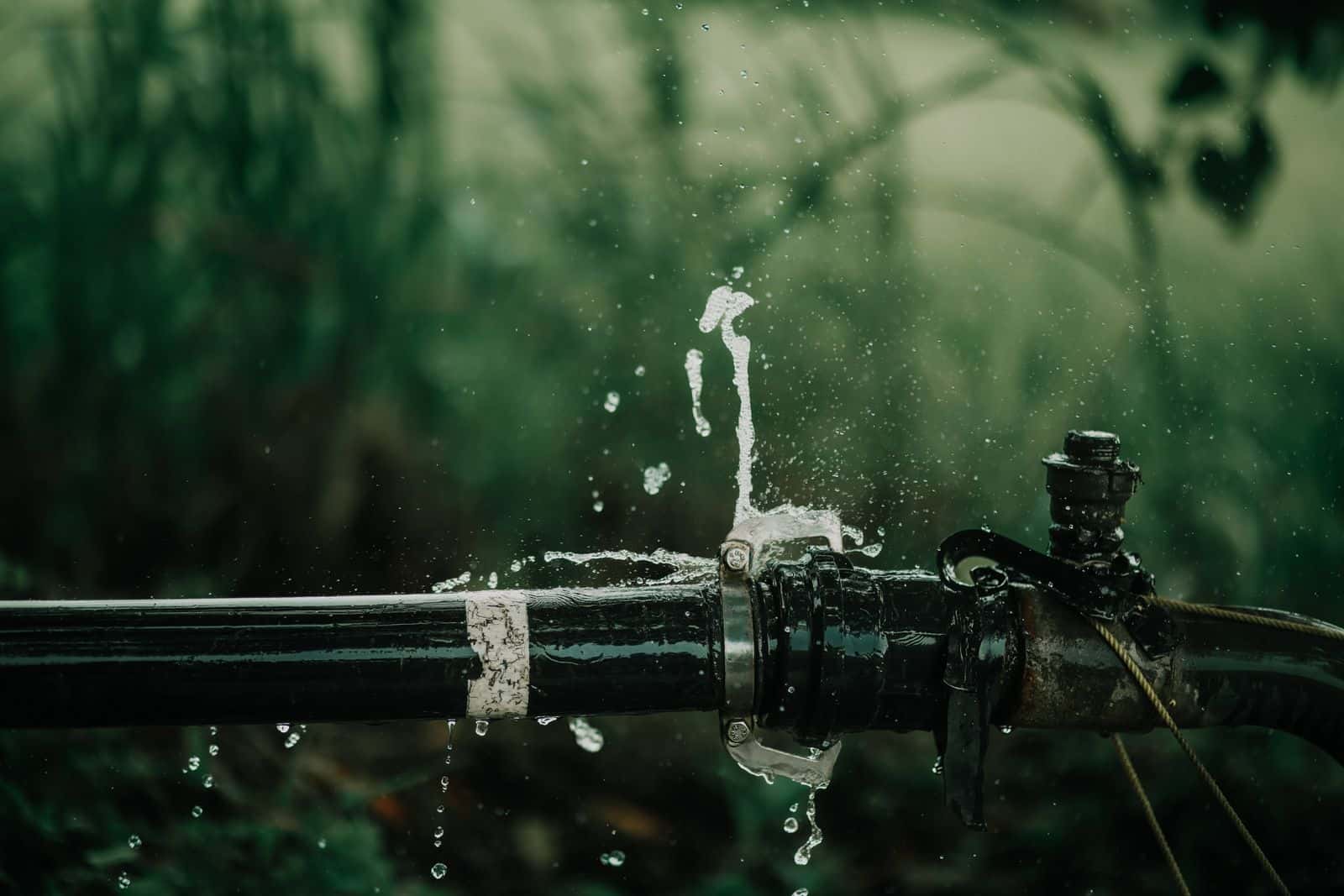
Burst Pipe Water Damage
When a pipe bursts, shut off the main water valve first, then turn off power to any wet area.
Learn more
Slab Leak Water Damage
A slab leak is a leak in a water line under or inside a home's concrete slab.
Learn more
Get help with water damage
Call the same day. Mold can begin in 24–48 hours on wet materials.