Cost
What Affects the Cost of Water Damage Restoration?
Updated · Copperline editorial · 2 min read
Short answerWater damage restoration cost depends mostly on how large the affected area is, the water category (clean, gray or sewage), which materials got wet, how many days of drying equipment are needed, and how much has to be removed and rebuilt.
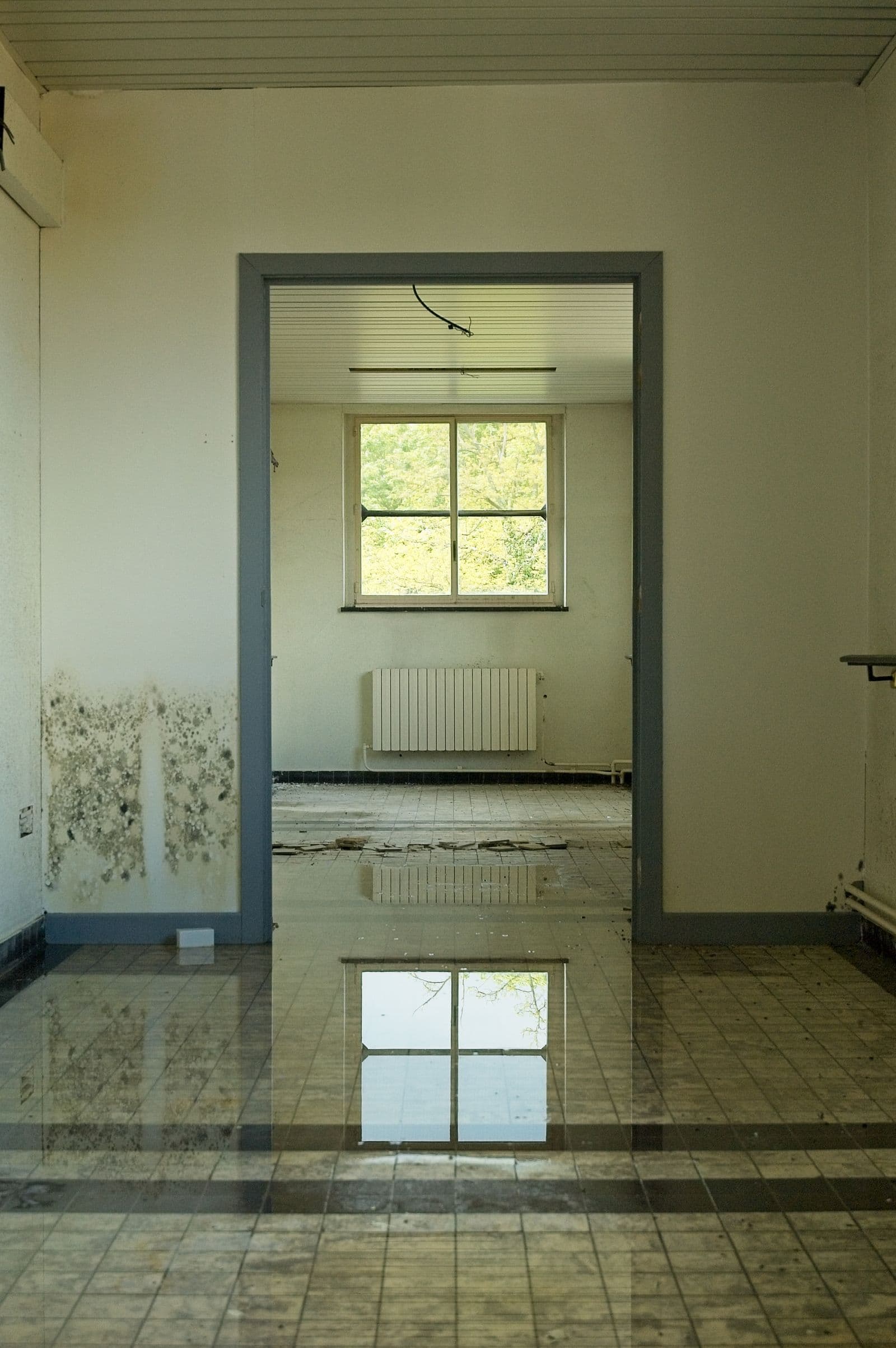
The biggest cost drivers
- Square footage affected and number of rooms
- Water category — contaminated water adds removal and disinfection
- Materials: carpet vs. hardwood vs. tile; drywall vs. plaster
- Days of drying equipment
- Demolition and rebuild scope
What keeps costs down
Speed. Stopping the water and starting extraction within hours often means drying materials in place instead of replacing them.
Why we don't publish prices
Two jobs with the same leak can differ by thousands depending on what's behind the wall. An on-site assessment with moisture readings is the only honest way to price it.
Questions to ask before you sign
- Is the estimate itemized by room and task?
- Will you bill my insurer directly, and what do I owe?
- Are daily moisture readings and photos included?
- What happens if more damage is found behind walls?
- Is your company licensed with the Arizona ROC for any repair work?
Call a professional if
- Water came from a toilet, sewer line or floodwater — treat it as contaminated
- Water got into walls, ceilings or under flooring
- Materials have been wet for more than 24 hours
- You smell mustiness or see spots — mold may already be starting
What Affects the Cost of Water Damage Restoration?: follow-up questions
Why do estimates vary so much between companies?
Scope drives most of it: how much material is removed, how many days equipment runs, and whether rebuild is included. Compare line items, not totals.
Does insurance pay the restoration company directly?
Often, with your authorization, though you are responsible for your deductible and anything the policy excludes.
Every home differs; editorial standards.