

Short answerTank water heaters store a fixed volume of hot water and cost less to install; tankless heaters heat water on demand, provide continuous hot water within their flow rating and take less space, but often need gas line, venting or electrical upgrades. The better choice depends on household demand, fuel, space and water hardness.
Comparison
| Item | Tank | Tankless |
|---|---|---|
| Hot water supply | Limited by stored volume and recovery | Continuous within flow limit |
| Installation | Usually simple replacement | May need larger gas line, new venting, or electrical upgrade |
| Space | Floor footprint | Wall-mounted |
| Maintenance | Flushing, anode checks | Descaling, filter cleaning |
| Hard water impact | Sediment in tank | Scale in heat exchanger |
| Typical lifespan | Shorter | Often longer |
| Standby loss | Yes | Minimal |
Who tends to prefer tankless
- Households that run out of hot water
- Homes short on space
- People planning to stay long enough to benefit from efficiency and lifespan
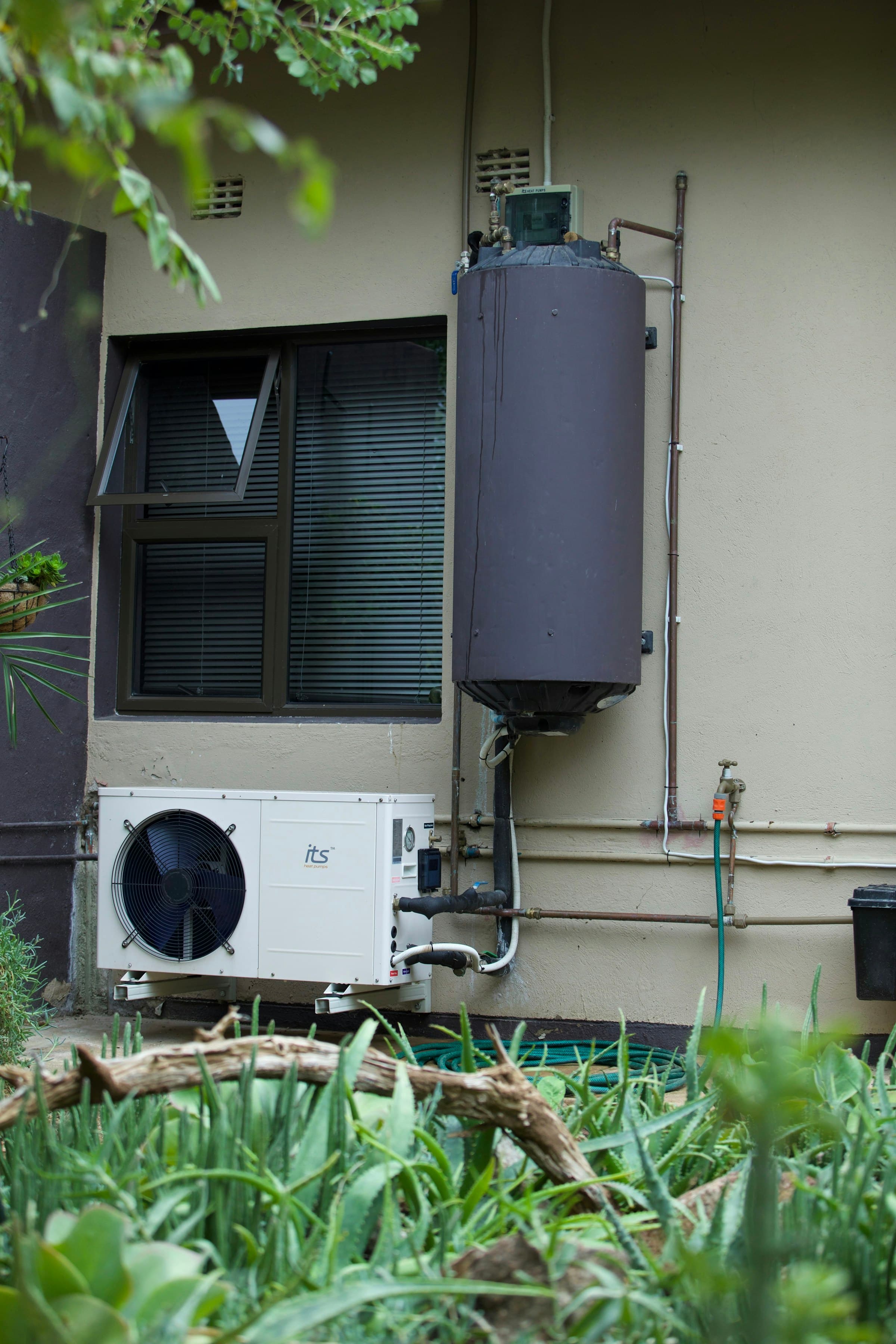
Who tends to prefer tank
- Budget-focused replacements
- Homes where gas line or venting upgrades would be expensive
- Very hard water without treatment
Sizing matters more than type
A tank heater should be chosen by first-hour rating. A tankless heater should be chosen by gallons per minute at the temperature rise your climate needs in winter. An undersized unit of either type will disappoint.
Questions to answer before switching
- How many showers and appliances run at the same time in your home?
- Is your gas line and meter large enough, or is your electrical service sufficient for an electric unit?
- Where would the vent run, and is there a drain for condensate on condensing models?
- How hard is your water, and will you add treatment to protect the heat exchanger?
Frequently asked questions
Do tankless water heaters save money?
They avoid standby heat loss, which can reduce energy use, but higher installation costs mean the payback period varies by household.
Can tankless heaters run out of hot water?
They do not run out, but if demand exceeds their flow rating, water temperature drops.
