
North Carolina's Piedmont, home to Charlotte, Raleigh and Greensboro, has red clay soils and heavy tree canopy, much like Georgia. Large numbers of homes were built during the 1980s and 1990s growth period, which overlaps with the era when polybutylene supply pipe was used nationally, so identifying pipe material is a useful first step in many homes.
Winters are mild but bring periodic hard freezes that catch pipes in crawl spaces, and tropical storms can bring flooding rain inland.
Plumbing services we provide in North Carolina
These are the services North Carolina homeowners call about most often, based on the conditions above.

Pipe Repair
Pipe repair is fixing a damaged section of a home's water supply or drain piping, from a pinhole leak or failed fitting to a split caused by freezing.
Pipe Repair details →
Sewer Line Repair
Sewer line repair fixes damage to the building sewer or lateral, the pipe that carries wastewater from a house to the public sewer main or septic system.
Sewer Line Repair details →
Drain Cleaning
Drain cleaning is the mechanical removal of buildup, debris or roots from drain and waste pipes so water flows freely to the sewer or septic system.
Drain Cleaning details →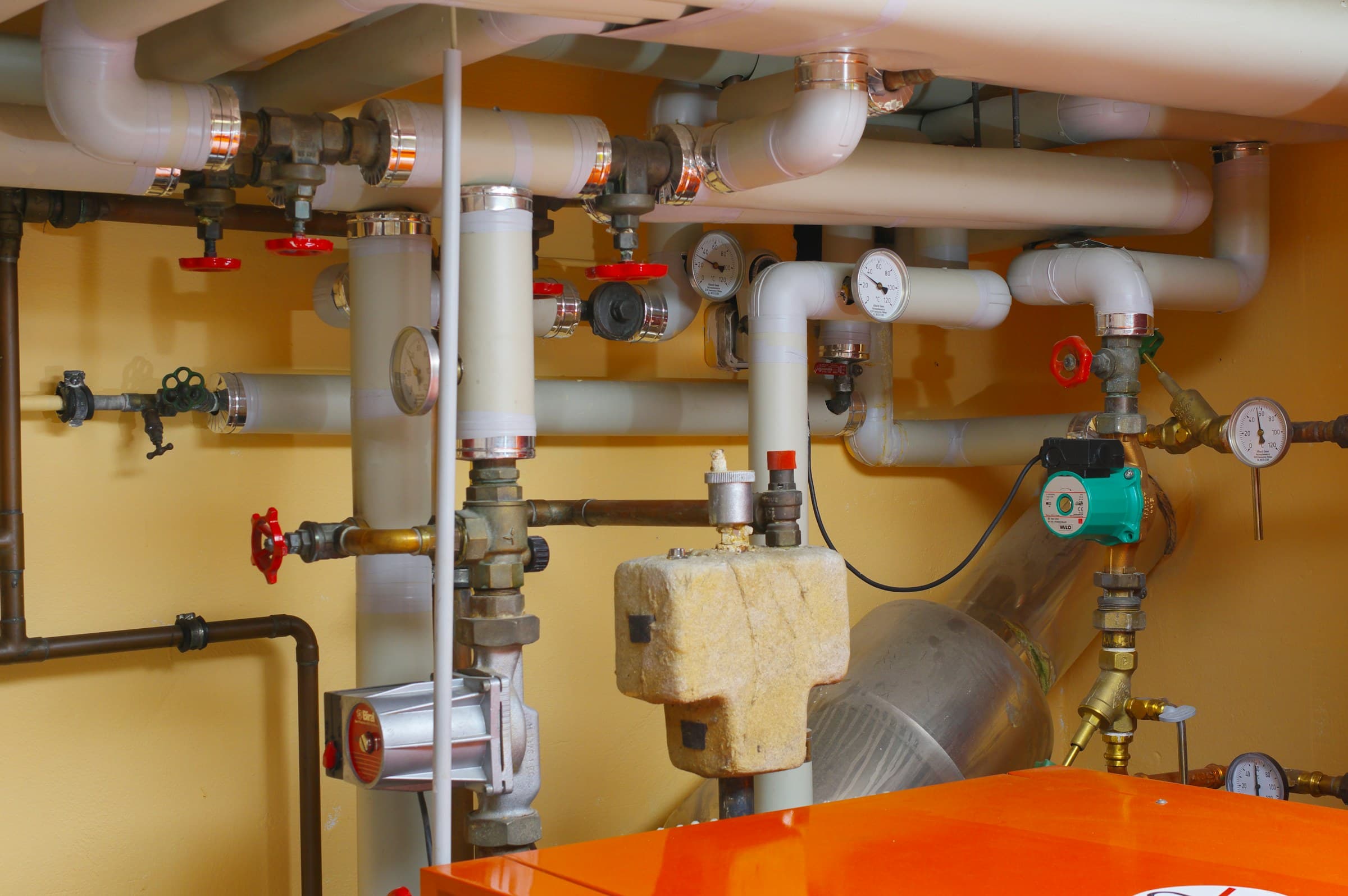
Water Heater Repair
Water heater repair restores a tank or tankless water heater to safe, normal operation by fixing components such as thermostats, heating elements, burners, valves and controls.
Water Heater Repair details →Local conditions that affect plumbing in North Carolina
Polybutylene-era homes
Homes built from the late 1970s to mid-1990s may have polybutylene supply pipe, which is prone to failure and often replaced.
Crawl spaces
Common across the state; pipes there need protection during freezes.
Roots and clay soils
Tree roots and shifting clay affect sewer laterals.
City plumbing guides in North Carolina
Plumbing in Raleigh
Red clay soils, crawl space homes, polybutylene-era subdivisions, soft surface water from Falls Lake, and wells and septic in surrounding Wake County.
Raleigh guide →
Plumbing in Charlotte
Heavy tree canopy, Piedmont clay, crawl spaces, and many homes from the polybutylene era.
Charlotte guide →Plumbing emergency in North Carolina?
- Shut off the main water valve if water is leaking or a pipe has burst.
- Keep away from water near outlets, cords or the electrical panel.
- If sewage is backing up, stop using every drain in the house.
- If you smell gas, leave the building and call the gas utility or 911 from outside.
North Carolina plumbing questions
Should I replace polybutylene pipe?
Many homeowners choose to, because polybutylene has a history of failures and can affect insurance. A plumber can confirm whether you have it.
Is North Carolina water hard?
Piedmont and mountain water is generally soft, while some coastal plain groundwater is harder and may contain iron.
Are private wells common in North Carolina?
Yes, millions of residents use private wells. Testing for bacteria, arsenic and other contaminants is recommended.
Are septic systems common in North Carolina?
Yes, a large share of homes use septic systems, especially outside cities.
How do I protect crawl space pipes in North Carolina?
Insulate pipes, close foundation vents in winter and disconnect hoses.
Is polybutylene common in North Carolina homes?
Homes built from the late 1970s to mid-1990s may have it. Fittings are common failure points.
How do I prepare plumbing for a hurricane on the North Carolina coast?
Know shutoffs, elevate equipment where possible and check water heaters and sewer lines after flooding.
Why do North Carolina sewer lines get roots?
Mature trees and older clay pipe make roots a frequent cause of backups.
