
Local considerations
Sudden cold fronts
Temperatures can fall dramatically within hours, so preparing in fall, rather than waiting for a forecast, prevents most freeze-ups.
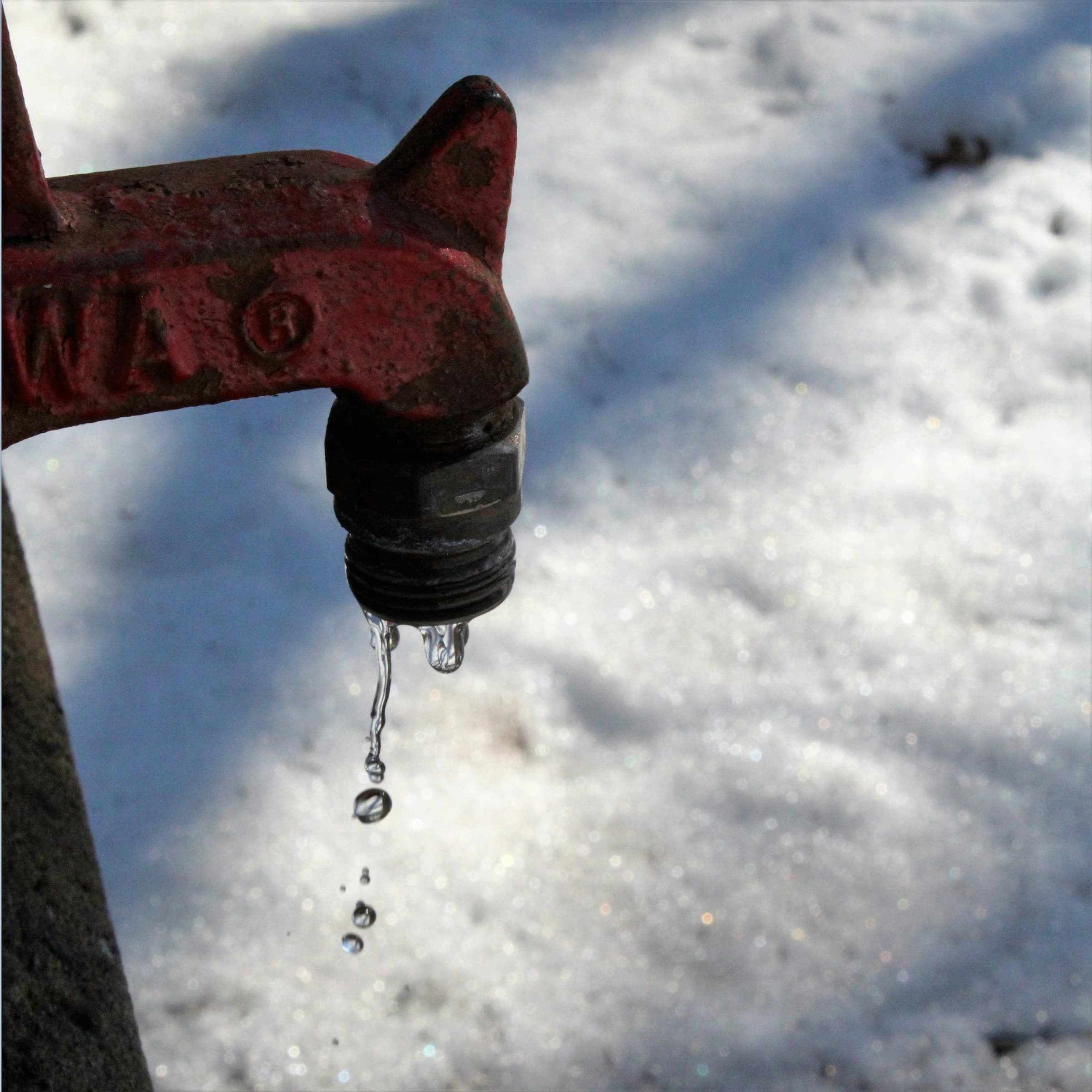
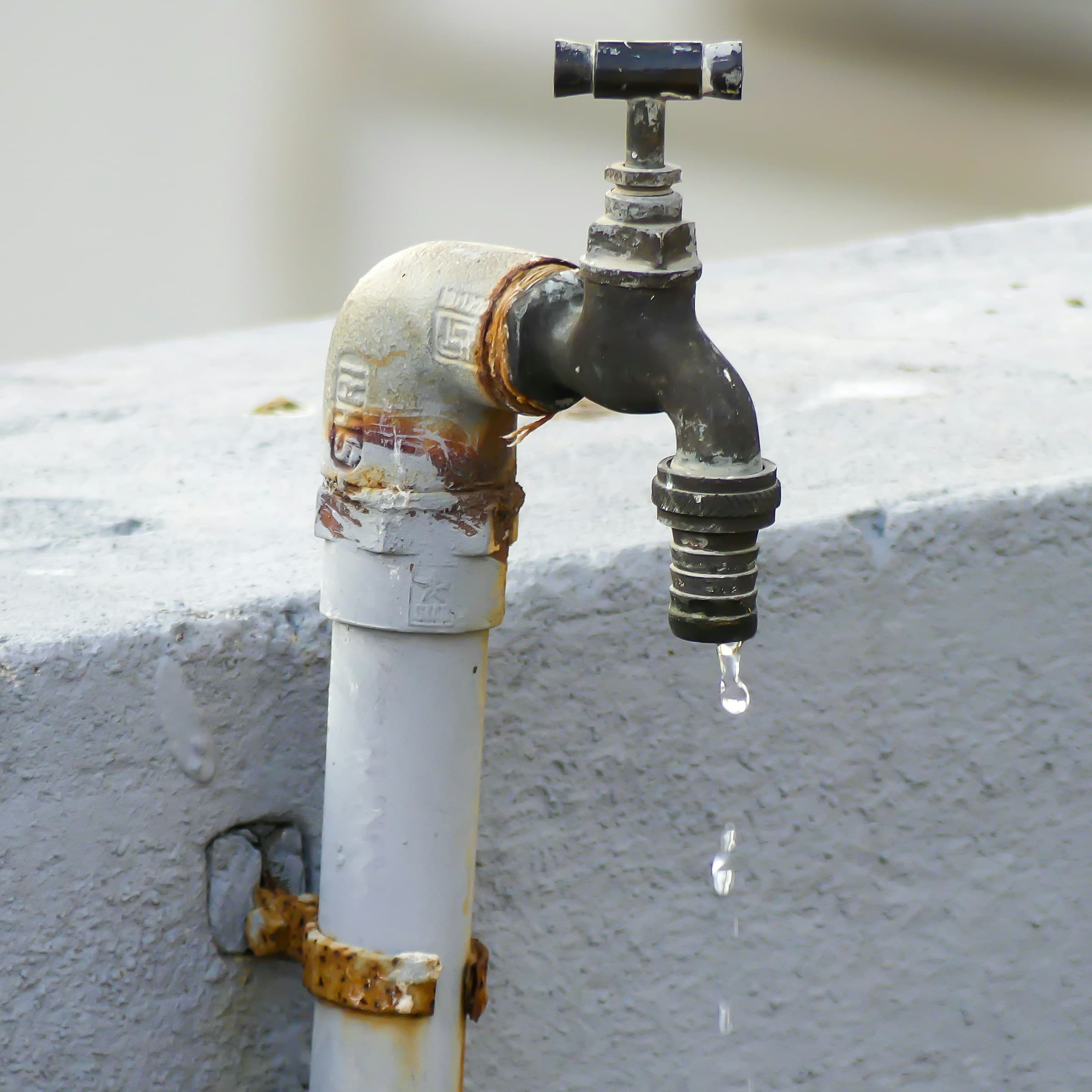
Sillcocks and hoses
A hose left on a frost-free sillcock traps water in the valve body, which then freezes and splits inside the wall.
Garages and additions
Plumbing in garages, sunrooms and additions with less insulation freezes first.
Before you book: checklist
- Disconnect all hoses in fall
- Blow out irrigation
- Insulate pipes in garages and crawl spaces
- Keep garage doors closed during cold snaps
- Open cabinets on exterior walls
- Know your main shutoff
How the work is done
The standard process, step by step, plus a comparison with alternatives and its limits, is covered in our national frozen pipe repair guide. The key limit to keep in mind: never use an open flame, propane torch or charcoal heater to thaw pipes.
Frozen Pipe Repair in Denver: questions
What should I do if my pipes freeze in Denver?
Open the faucet, apply gentle heat (hair dryer, warm towels, space heater at a safe distance) working back from the faucet, and never use an open flame. If a pipe has split, shut off the main first.
Why do pipes freeze in Denver even in well-built homes?
Extreme, sudden temperature drops can overwhelm insulation in exterior walls, garages and crawl spaces, especially with wind.
How do I know if a frozen pipe has burst?
Leaks may only appear when the ice melts. Watch for water, listen for running water and check the meter after thawing.
Do I need to replace a frost-free sillcock that froze?
If it split inside the wall, yes. Replacement sillcocks should be the correct length so the valve seat sits inside the heated space, installed with a slight downward slope so water drains out.
Back to Pipe Repair in Denver · National guide: Frozen Pipe Repair
