

What’s different about water heater replacement in Denver
High-altitude models
Choose heaters rated for elevation and follow manufacturer altitude derating.
Tankless sizing
Cold incoming winter water and altitude both affect tankless capacity.
Basement venting
Gas heaters in basements depend on proper draft. Replacement should include checking the vent connector and chimney or vent path for the new unit.
Homeowner checklist
- Confirm the new heater is rated for altitude
- Check vent sizing and draft
- Add an expansion tank if the system is closed
- Ask about the permit
Denver homes and when problems show up
Typical housing: Older neighborhoods with basements and brick bungalows, plus newer suburban construction across the metro.
- Fall: Disconnect hoses, shut off and drain non-frost-free spigots, and blow out irrigation systems before the first freeze.
- Winter: Keep garage doors closed in cold snaps and open cabinets on exterior walls.
- Spring: Check sillcocks for leaks when you first turn on the hose.
We also serve nearby areas including Aurora, Lakewood, Englewood, Arvada, Westminster, Littleton, Wheat Ridge, Centennial.
Repair options we may recommend
After diagnosing the problem, our plumber explains which of these fits your Denver home and what it costs before work starts. Each is compared in detail in the water heater replacement & installation guide.
- Standard tank (gas or electric)
- Tankless
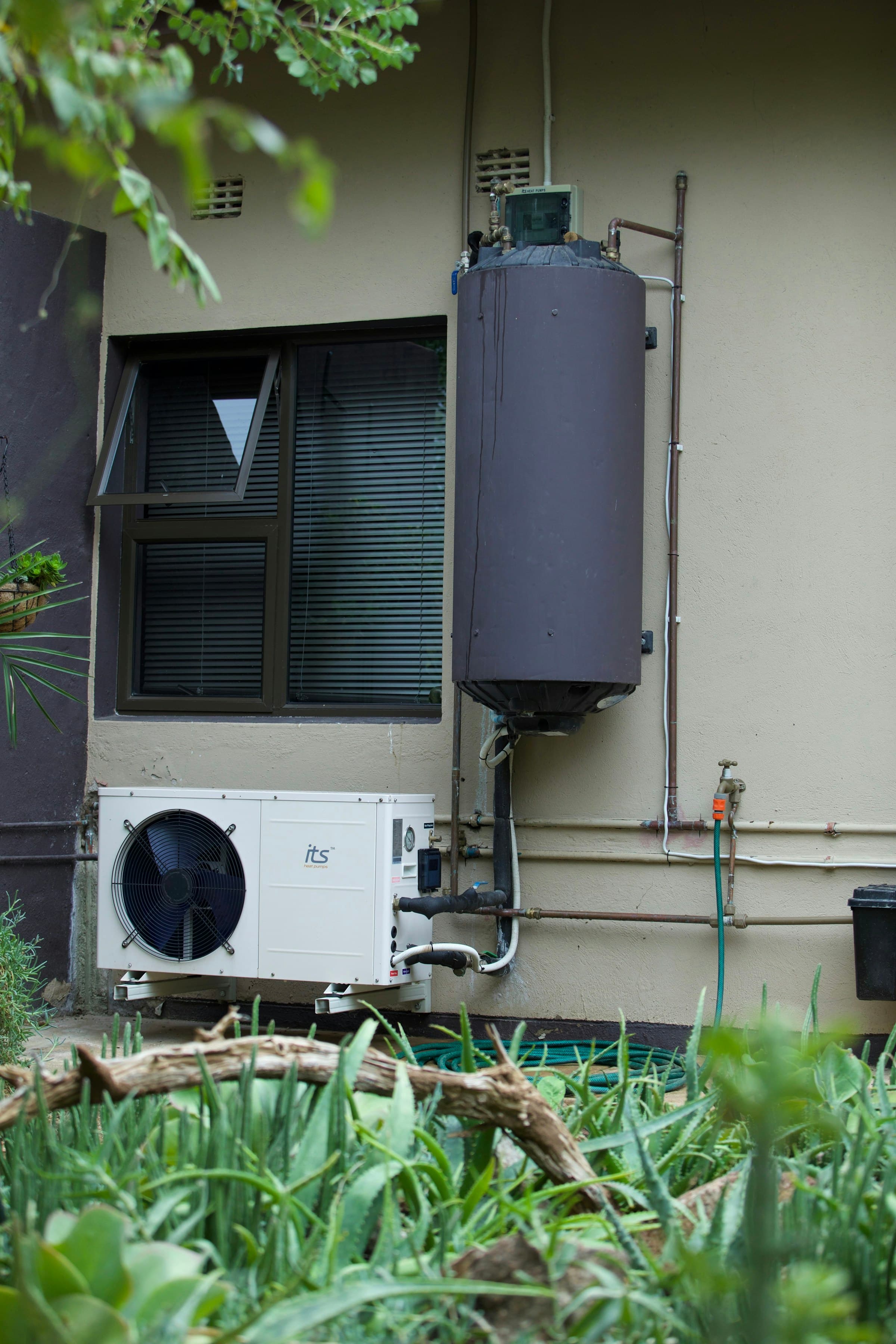
- Heat pump water heater
Water Heater Replacement & Installation in Denver: questions
Does altitude affect tankless water heaters?
Yes. Many gas tankless units have altitude settings and reduced output at high elevation, which affects sizing.
Do I need a permit to replace a water heater in Denver?
Water heater replacements commonly require a permit. Confirm with the local building department.
For the full national guide, including diagnosis steps, DIY guidance and prevention, see Water Heater Replacement & Installation.
