

Why whole-house repiping is different in Florida
Polybutylene-era homes
Homes built from the late 1970s to the mid-1990s may have gray polybutylene supply pipe. Fittings and joints are the usual failure points, and leaks can be sudden.
Insurance considerations
Some insurers ask about pipe material when writing or renewing policies. Replacing polybutylene or very old galvanized pipe can affect insurability; check with your carrier.
Slab construction
Most Florida homes are on slabs. Repipes typically run new lines through the attic and walls instead of under the slab, which also removes future slab leak risk.
Attic heat
Florida attics get extremely hot. New lines routed through attics must be properly supported and insulated, especially PEX, which shouldn’t be exposed to UV light.
How it varies across Florida
| Region | What to expect |
|---|---|
| South Florida | Large stocks of 1980s–90s homes and condos in Broward and Palm Beach counties mean polybutylene is a frequent repipe trigger; condo repipes need association approval. |
| Central Florida | Orlando and Tampa Bay have many polybutylene-era subdivisions, plus older homes with galvanized pipe and very hard water. |
| North Florida | Older Jacksonville neighborhoods include galvanized and cast iron systems in homes from the early and mid-20th century. |
What our plumbers do
- Plan the new layout, including manifold or trunk-and-branch design and new shutoff valves.
- Open small access points in walls and ceilings, using basements, attics and crawl spaces where possible.
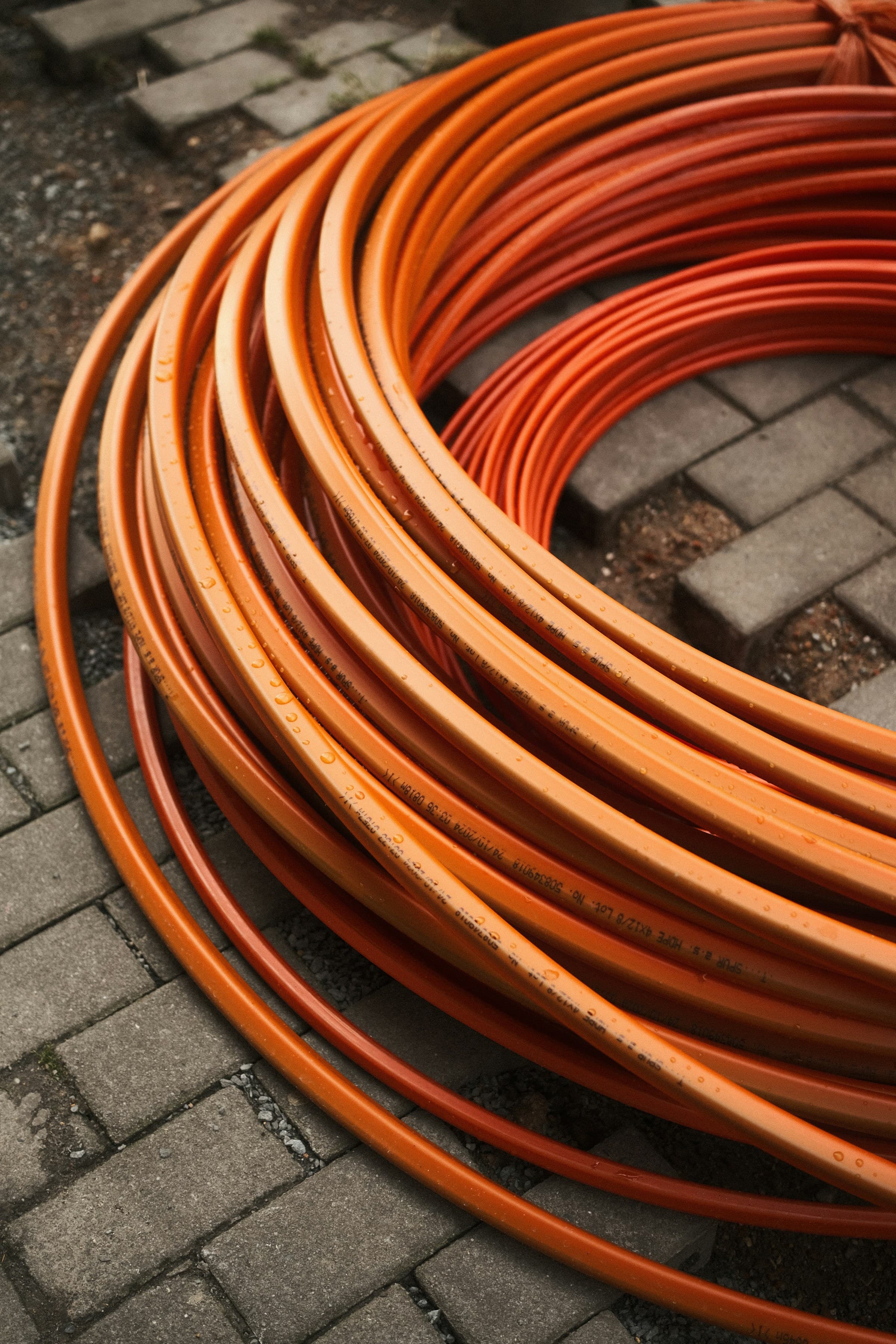
- Run new lines, most commonly PEX or copper, and connect each fixture.
- Pressure-test, pass inspection where required, and remove the old system or abandon it in place.
- Patch access openings (sometimes by a separate drywall contractor).
Whole-House Repiping in Florida cities
Whole-House Repiping in Florida: questions
How do I know if my Florida home has polybutylene?
Look at exposed pipe near the water heater, under sinks and where the main enters. Polybutylene is usually gray, flexible plastic, often stamped PB2110. A plumber can confirm it.
Do Florida insurers require polybutylene replacement?
Some insurers ask about it or limit coverage for homes with polybutylene. Requirements vary by company, so check with your insurer before and after repiping.
How long does a Florida repipe take?
Many single-family repipes take a few days, followed by drywall patching. Larger homes and condos with association rules can take longer.
Is PEX or copper better for a Florida repipe?
Both are used. PEX is flexible, quick to install and resists scale; copper is rigid and traditional. Very hard water and attic heat both factor into the choice and installation.
Do I need a permit to repipe in Florida?
Repiping generally requires a permit and inspection from the local building department.
