

Oklahoma’s expansive red clay soils, hot summers, ice storms and periodic hard freezes make slab leaks and freeze damage the two biggest plumbing concerns. Many homes are slab-on-grade with water lines beneath the floor.
Hard water is common across much of the state, and storm shelters, irrigation and outdoor plumbing add their own seasonal maintenance.
Plumbing services we provide in Oklahoma
These are the services Oklahoma homeowners call about most often, based on the conditions above.

Leak Detection
Leak detection is the process of locating a hidden water leak, in a wall, ceiling, slab or underground line, with as little demolition as possible.
Leak Detection details →
Pipe Repair
Pipe repair is fixing a damaged section of a home's water supply or drain piping, from a pinhole leak or failed fitting to a split caused by freezing.
Pipe Repair details →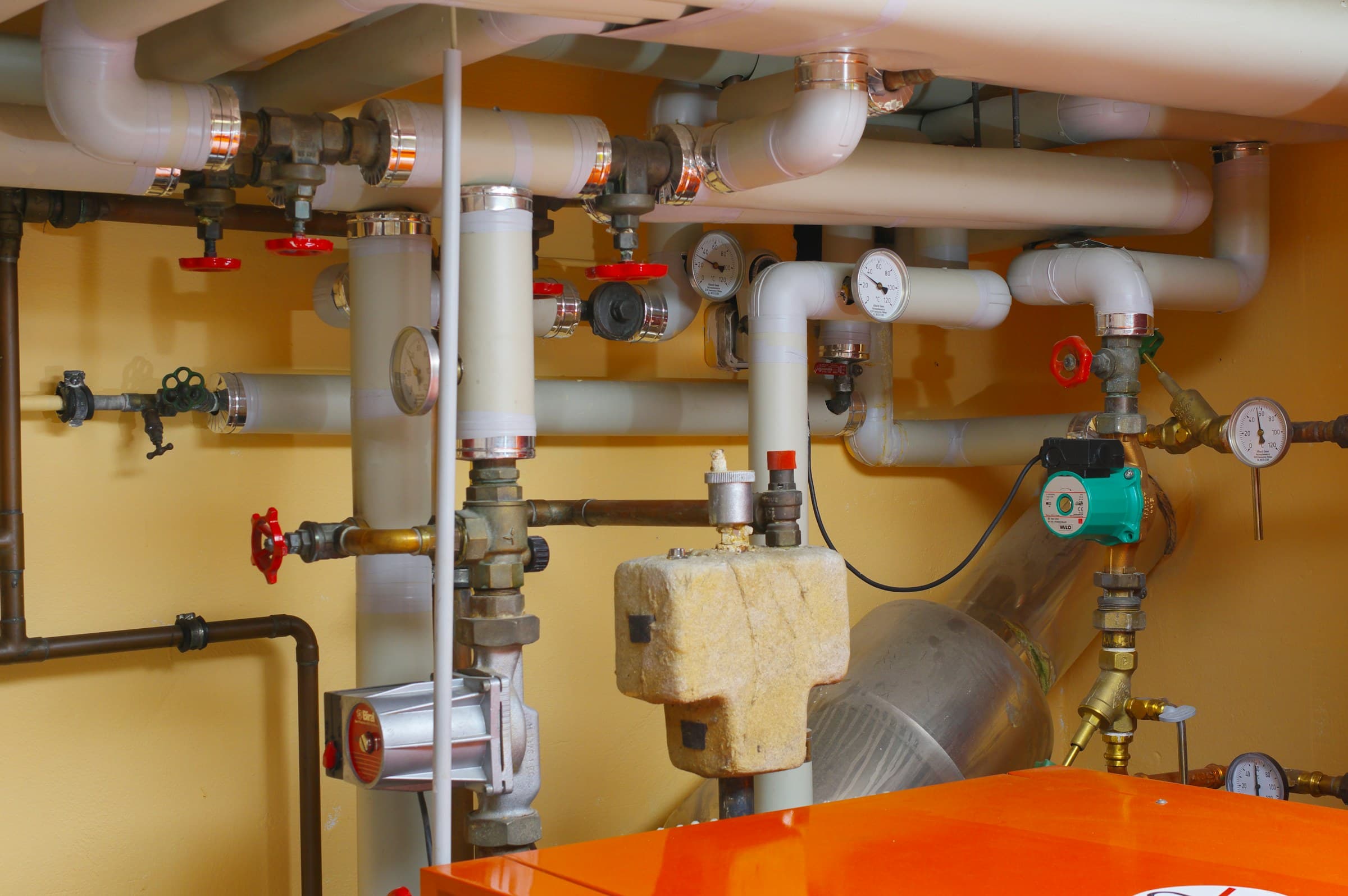
Water Heater Repair
Water heater repair restores a tank or tankless water heater to safe, normal operation by fixing components such as thermostats, heating elements, burners, valves and controls.
Water Heater Repair details →
Water Softeners & Filtration
Water treatment in a home includes water softeners, which remove hardness minerals, and filtration systems, which reduce specific contaminants, sediment, chlorine or odors.
Water Softeners & Filtration details →Local conditions that affect plumbing in Oklahoma
Slab leaks
Clay movement stresses under-slab pipes; meter tests help catch hidden leaks early.
Ice storms and freezes
Attic and exterior-wall pipes and outdoor faucets need protection before winter storms.
Hard water
Scale shortens water heater life and clogs aerators and fixtures.
City plumbing guides in Oklahoma

Plumbing in Oklahoma City
Slab homes on expansive red clay, hard water, ice storms and hard freezes, tornado-season outages, and a sprawling city with septic on its edges.
Oklahoma City guide →
Plumbing in Tulsa
Historic 1920s–40s neighborhoods with clay laterals and mature trees, slab and crawl space homes on clay soils, ice storms, and Arkansas River flooding history.
Tulsa guide →Plumbing emergency in Oklahoma?
- Shut off the main water valve if water is leaking or a pipe has burst.
- Keep away from water near outlets, cords or the electrical panel.
- If sewage is backing up, stop using every drain in the house.
- If you smell gas, leave the building and call the gas utility or 911 from outside.
Oklahoma plumbing questions
Why are slab leaks common in Oklahoma?
Expansive clay soils shrink in drought and swell when wet, shifting slabs and stressing the pipes beneath them.
How do I prepare plumbing for an Oklahoma ice storm?
Insulate exposed pipes, cover hose bibs, know your main shutoff, and drip exterior-wall faucets when temperatures drop well below freezing.
Is Oklahoma water hard?
Much of it is, particularly groundwater in central and western Oklahoma. Some eastern lake-supplied systems, like Tulsa’s, are softer.
Why are slab leaks common in Oklahoma?
Expansive red clay swells and shrinks with rain and drought, moving slabs and stressing the pipes beneath them.
How do Oklahoma ice storms affect plumbing?
Ice storms bring both freezing temperatures and long power outages, so pipes in attics, garages and exterior walls freeze. Draining the system during a long outage prevents bursts.
How do tornadoes affect plumbing?
Severe weather can cut power, damage outdoor equipment and break water and gas lines. Knowing your water and gas shutoffs is essential.
Are aerobic septic systems common in Oklahoma?
Yes. Many rural Oklahoma properties use aerobic systems, which need regular maintenance and service contracts.
Should I insulate my attic water heater in Oklahoma?
Attic heaters need a drain pan, a properly routed drain line and freeze protection for supply lines during hard freezes.
