
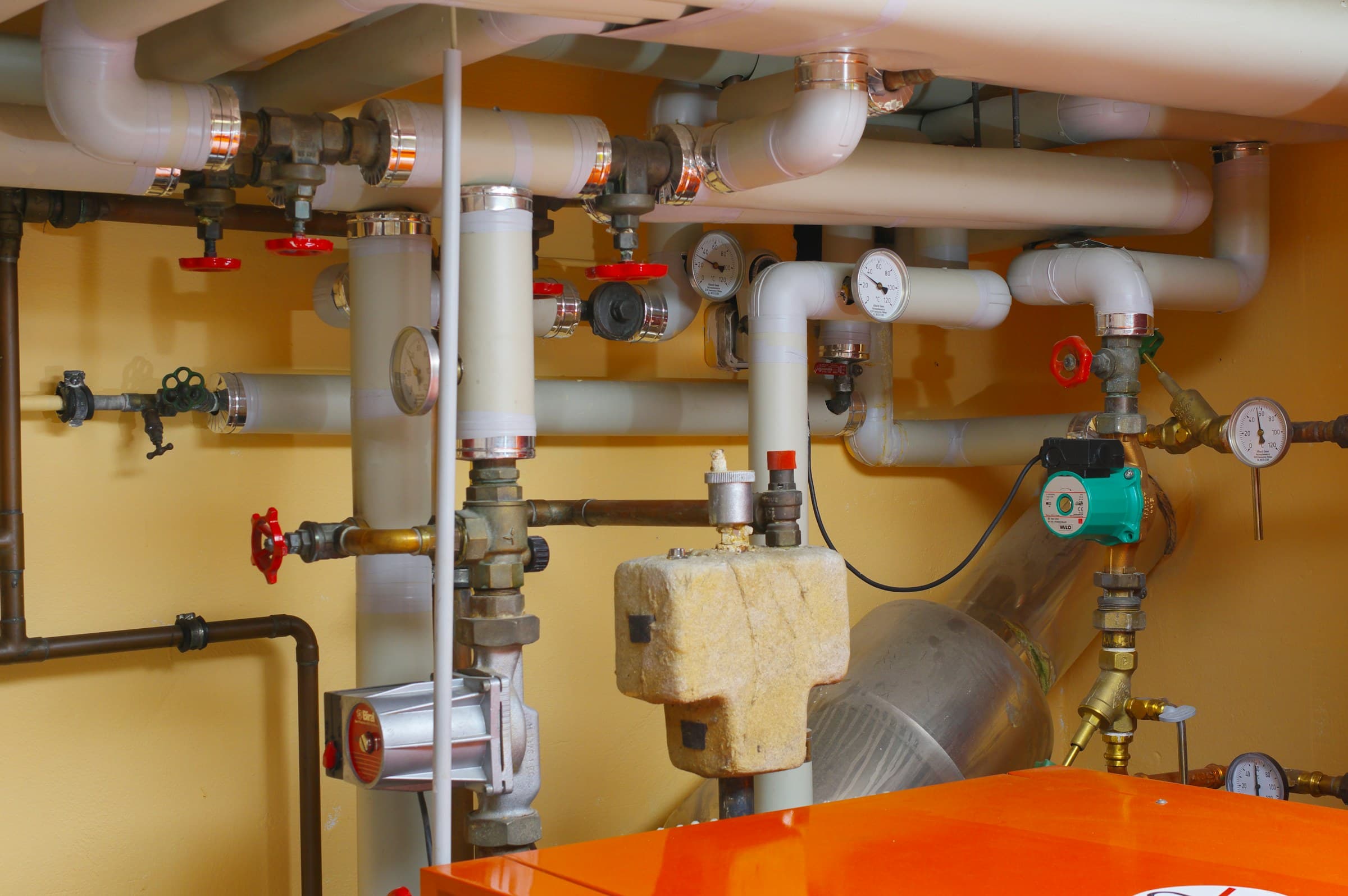
What it isA pressure-reducing valve (PRV) sits near the main shutoff and lowers high street pressure to a safe level for the house. When it fails, pressure can creep too high or drop too low. A hose-bib gauge confirms the problem in minutes.
When you need pressure regulator (prv) repair
- Pressure above about 80 psi on a gauge
- Sudden weak pressure throughout the house
- Water hammer that started recently
- Water heater relief valve dripping
How it works
- Measure static pressure.
- Inspect and attempt adjustment.
- Replace the valve if it will not hold a set point.
- Check for thermal expansion and add an expansion tank if needed.

Limits and when it’s not the right fix
- Not every home has a PRV; it is needed when street pressure is high.
- A new PRV can create a closed system that needs an expansion tank.
What affects the cost
We don’t publish national price figures because real quotes vary too much by region, access and the condition of your system. These are the factors that move the price:
- Valve size
- Access and pipe material
- Expansion tank addition
Ask for a written quote that names the method, materials and any permit or restoration work before work begins.
Pressure Regulator (PRV) Repair: common questions
How do I know if my pressure regulator is bad?
A gauge reading consistently above about 80 psi, pressure that creeps up overnight, or a sudden loss of pressure throughout the house are common signs.
How long does a PRV last?
Many last a decade or more, but hard water and debris shorten their life.
Can I adjust my own PRV?
Many PRVs have an adjustment screw. Adjust in small increments while watching a gauge. If it will not hold, it needs replacement.
