
A sewage backup is an emergency: it spreads quickly, contaminates everything it touches and gets worse every time a fixture is used.
Call (866) 417-0220Emergency, or can it wait?
Call right away if…
- Sewage in living space
- Backup affecting all drains
- Backup during a storm that keeps rising
Usually OK to schedule if…
- A single slow drain with no sewage
- Occasional gurgling with normal flow
Signs of sewer backup
What causes it
Main line blockage
Grease, wipes and debris lodge in the building drain or lateral, especially where pipe is rough, sagging or offset.
Tree roots
Roots enter clay and cast iron laterals at joints and grow into a mass that catches waste.
Collapsed or broken pipe
Old Orangeburg, clay or corroded cast iron can collapse, stopping flow entirely.
Public sewer surcharge
In heavy rain, combined or overloaded municipal sewers can rise and push water back up private laterals.
What you can check yourself
- Is the backup at the lowest drain only, or several?
- Does it happen only during heavy rain?
- Is there standing water in your outdoor cleanout?
- Did it start after flushing wipes or heavy kitchen use?
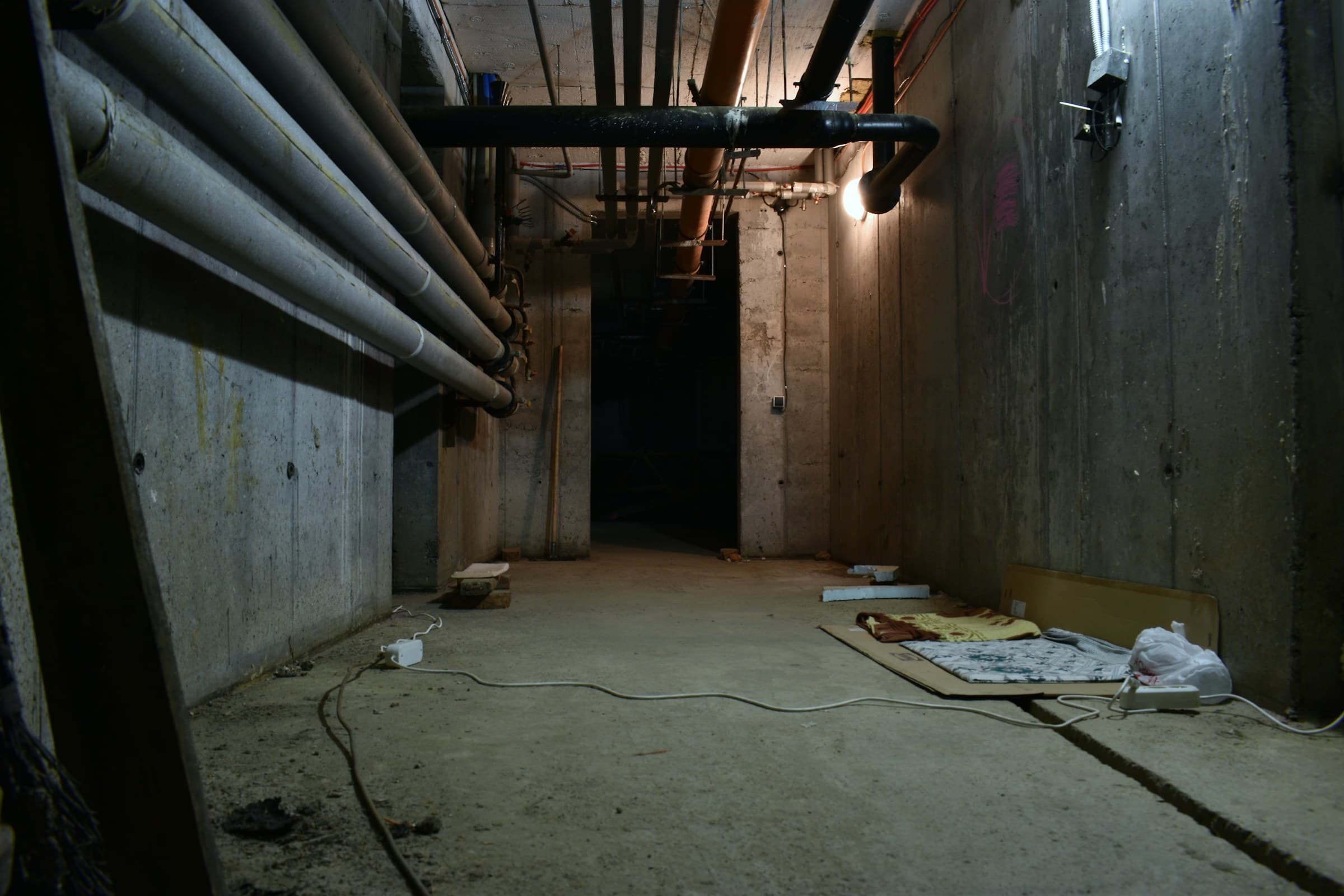
What happens when a plumber arrives
- Open the cleanout to locate whether the blockage is inside or outside the house.
- Clear the main line with a cable machine or jetter.
- Run a sewer camera to find roots, breaks or sags.
- Check for a missing or failed backwater valve if backups follow storms.
Repair options
| Option | When it’s used |
|---|---|
| Main line clearing | Blockage from grease, wipes or roots |
| Hydro jetting | Recurring buildup in sound pipe |
| Spot repair or lining | Cracks, root-prone joints or offsets |
| Lateral replacement | Collapsed pipe or multiple sags |
| Backwater valve | Backups caused by public sewer surcharge |
Sewer Backup: questions homeowners ask
Is a sewage backup dangerous?
Yes. Sewage carries bacteria and viruses. Keep children and pets away, avoid skin contact, ventilate the area and discard soaked porous materials like carpet pad.
Why does sewage come up in my basement floor drain?
The floor drain is usually the lowest opening on the drain system, so when the main line is blocked, wastewater exits there first.
Can heavy rain cause a sewer backup?
Yes. In areas with combined or overloaded sewers, intense storms can push water back up private sewer laterals into homes.
Who pays to fix a sewer backup?
If the blockage is in your private lateral, the property owner is usually responsible. If the public main caused it, contact your sewer utility. Insurance often requires a separate sewer backup endorsement.
Should I use a chemical cleaner on a sewer backup?
No. Chemicals rarely clear a main line blockage and make the water more hazardous for anyone who has to open the line.
How do I prevent sewer backups?
Don’t flush wipes or pour grease down drains, have root-prone laterals cleaned or repaired, and consider a backwater valve if your area has storm-related backups.
