
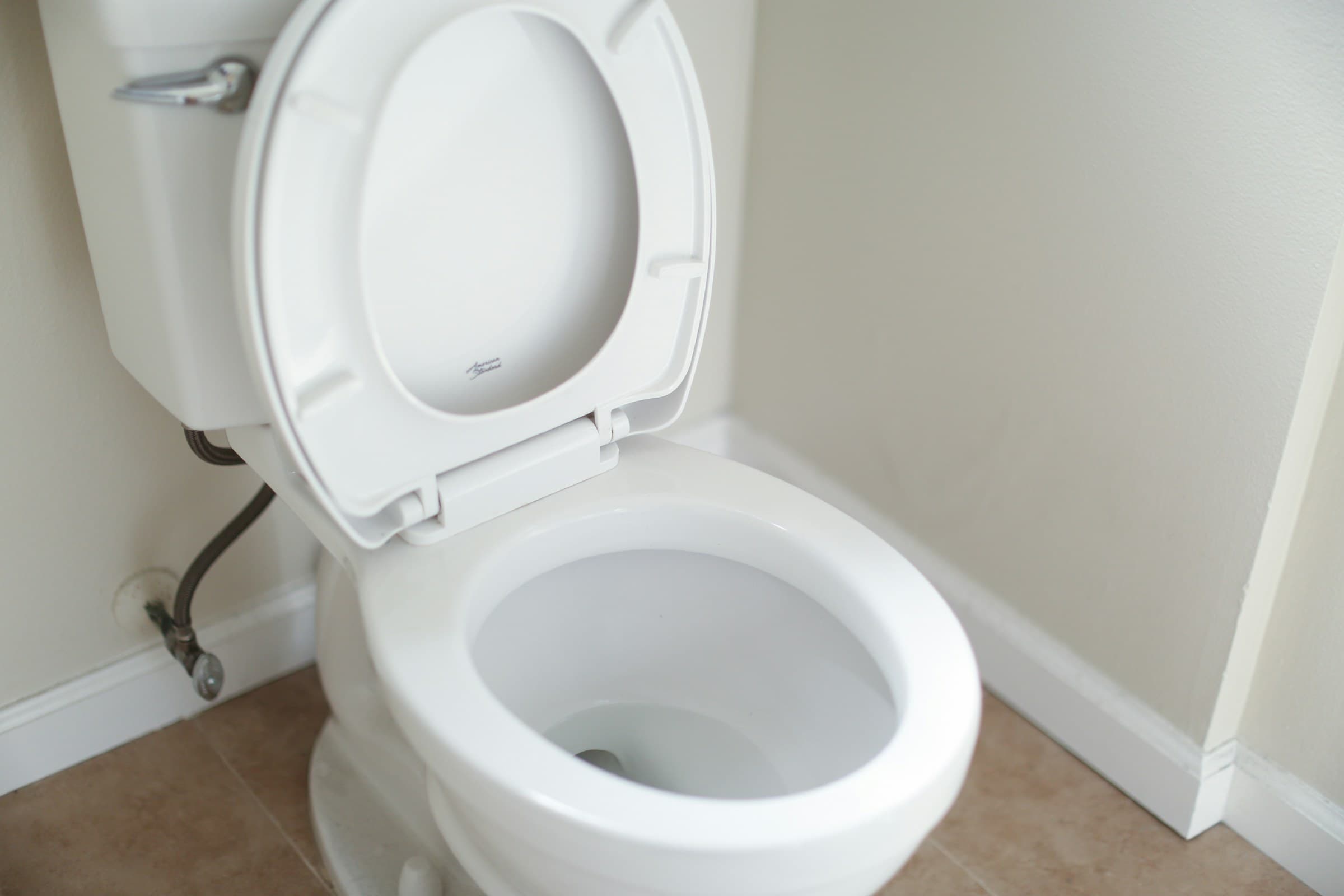
When you need running toilet repair
- Constant trickling into the bowl
- Tank refills briefly every so often (phantom flush)
- Hissing from the tank
- Handle must be jiggled to stop running
How it works
- Lift the lid and check the water level. If water is going into the overflow tube, lower the fill valve float.
- If the level is below the overflow, the flapper is likely leaking; do a dye test.
- Check chain length: too short holds the flapper open, too long can catch under it.
- Replace the flapper with one matched to the flush valve size (commonly 2 or 3 inches).
- Replace the fill valve if it hisses or will not shut off.

Limits and when it’s not the right fix
- Some toilets use proprietary canister or tower flush valves that need specific parts.
- A cracked flush valve seat may require replacing the flush valve, which means separating the tank.
What affects the cost
We don’t publish national price figures because real quotes vary too much by region, access and the condition of your system. These are the factors that move the price:
- Standard vs. proprietary parts
- Flush valve replacement
- Corroded tank bolts
Ask for a written quote that names the method, materials and any permit or restoration work before work begins.
Running Toilet Repair: common questions
Why does my toilet refill by itself every few minutes?
That is called a phantom flush. Water is slowly leaking from the tank into the bowl, usually past the flapper, and the fill valve tops it back up.
How much water does a running toilet waste?
It depends on the leak. A small silent leak may waste a modest amount, while a toilet running constantly can waste a very large amount of water per day.
Should I replace the flapper or the whole fill valve?
Replace whichever is failing. Water going down the overflow tube points to the fill valve; water seeping into the bowl with the level below the overflow points to the flapper.
