

Much of Kentucky sits on limestone karst, which produces hard water and, in some areas, sinkholes that can disturb buried pipes. Basements are common, and freeze-thaw winters bring frozen and burst pipe calls.
Louisville and Lexington have large stocks of older homes with cast iron drains and clay sewer laterals; rural Kentucky relies heavily on wells and septic systems.
Plumbing services we provide in Kentucky
These are the services Kentucky homeowners call about most often, based on the conditions above.
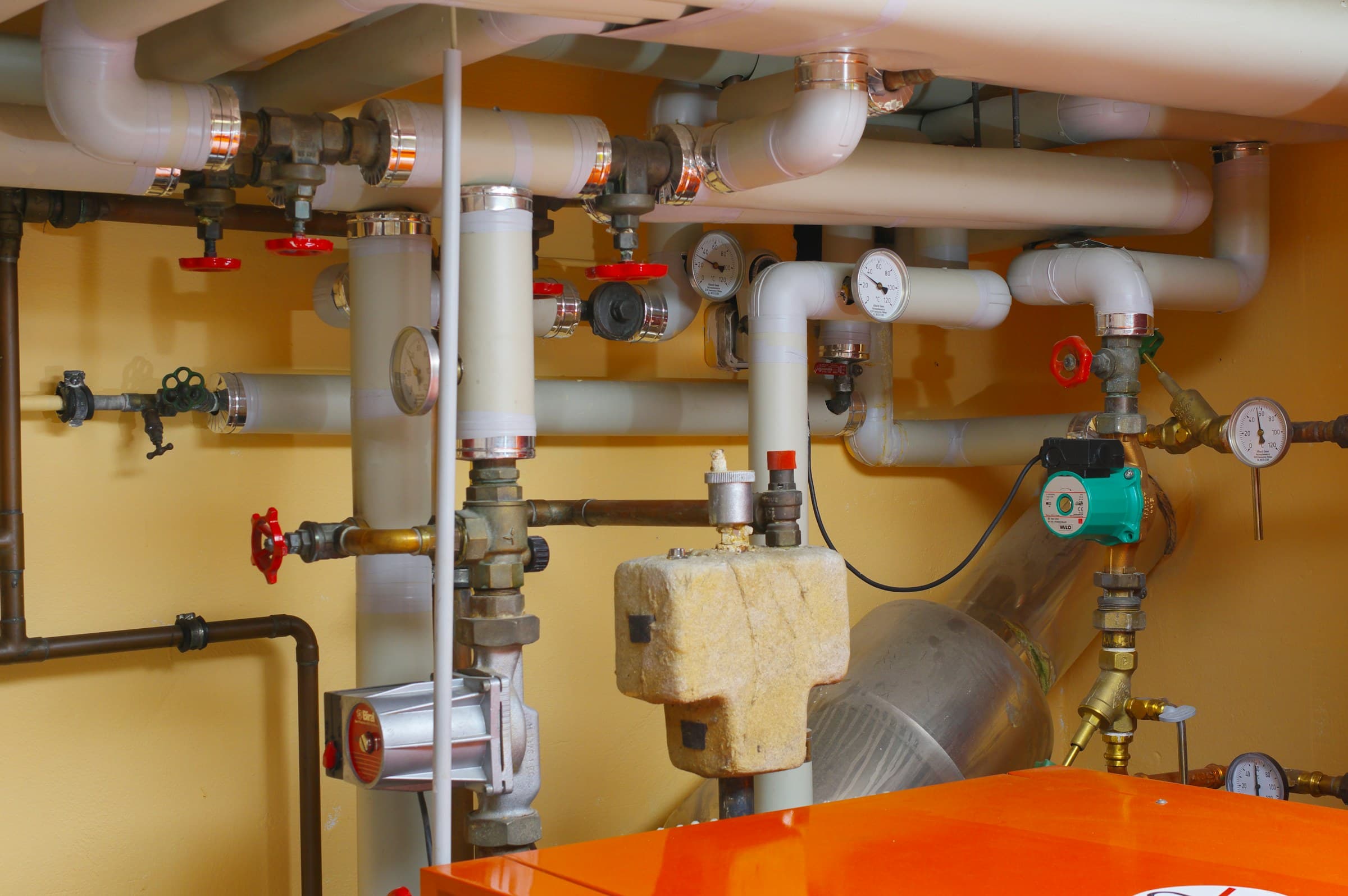
Water Heater Repair
Water heater repair restores a tank or tankless water heater to safe, normal operation by fixing components such as thermostats, heating elements, burners, valves and controls.
Water Heater Repair details →
Water Softeners & Filtration
Water treatment in a home includes water softeners, which remove hardness minerals, and filtration systems, which reduce specific contaminants, sediment, chlorine or odors.
Water Softeners & Filtration details →
Sewer Line Repair
Sewer line repair fixes damage to the building sewer or lateral, the pipe that carries wastewater from a house to the public sewer main or septic system.
Sewer Line Repair details →
Sump Pump Repair
Sump pump repair restores a basement or crawl space pump that collects groundwater in a pit and pumps it away from the foundation.
Sump Pump Repair details →Local conditions that affect plumbing in Kentucky
Hard water
Limestone geology adds minerals that scale water heaters and fixtures; softeners are common.
Karst ground movement
Sinkhole-prone areas can shift sewer and water lines; unusual settling near lines warrants inspection.
Basement drainage
Sump pumps and floor drains see heavy use during spring rains.
City plumbing guides in Kentucky

Plumbing emergency in Kentucky?
- Shut off the main water valve if water is leaking or a pipe has burst.
- Keep away from water near outlets, cords or the electrical panel.
- If sewage is backing up, stop using every drain in the house.
- If you smell gas, leave the building and call the gas utility or 911 from outside.
Kentucky plumbing questions
Is Kentucky water hard?
Much of the state has moderately hard to hard water because of limestone geology, which speeds up scale in water heaters and fixtures.
Can sinkholes damage plumbing?
Ground subsidence in karst areas can crack or separate buried pipes. Settling near your sewer or water line should be inspected.
Are wells and septic common in Kentucky?
Yes, particularly in rural counties. Karst geology can make well water vulnerable to contamination, so testing is important.
Does Louisville have combined sewers?
Older parts of Louisville use combined sewers, and MSD has worked to reduce overflows. Backwater valves can help homes with backups.
How do I protect Kentucky pipes in winter?
Insulate exposed pipes, disconnect hoses and keep heat on during freezes.
Why does my Kentucky water heater fill with sediment?
Hard water from limestone sources leaves minerals; annual flushing helps.
Do Kentucky basements need sump pumps?
Many do, especially during spring rains and in low-lying areas.
Can karst geology affect my well water?
Yes, surface water can move quickly through limestone into wells, so bacterial testing is recommended.
